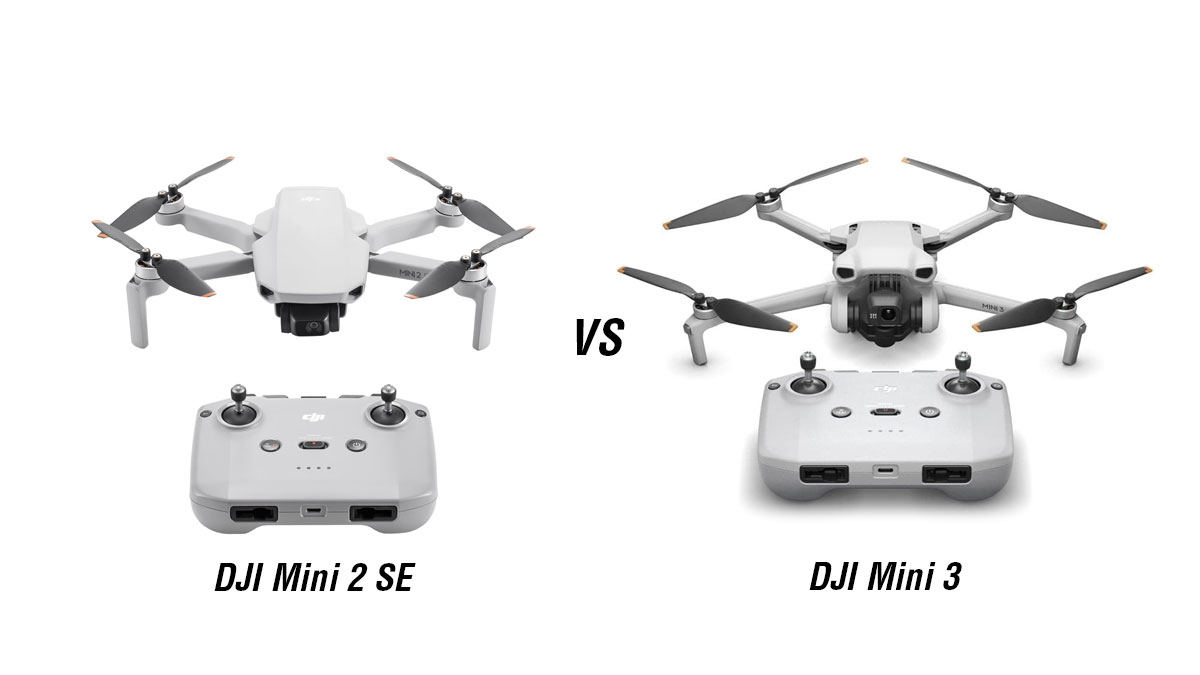
If you’re looking for a lightweight, easy-to-fly drone but aren’t sure whether to go for the DJI Mini 2 SE or the DJI Mini 3, you’re not alone. Both models are compact, beginner-friendly, and don’t require FAA registration thanks to their sub-249g weight. But while the Mini 2 SE keeps things simple with an affordable price tag, the Mini 3 steps things up with a better camera, longer flight time, and a few extra perks.
So, which one is the right fit for you? Whether you're a first-time flyer or a content creator looking for budget-friendly aerial shots, this comparison will break down the key differences to help you make the best choice.
| Feature | DJI Mini 2 SE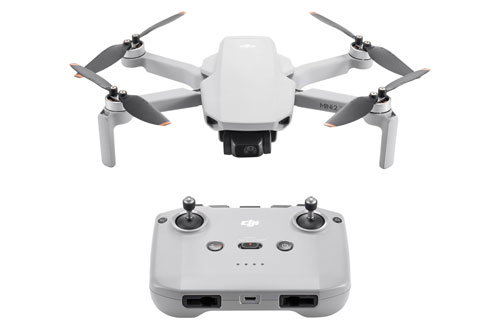 | DJI Mini 3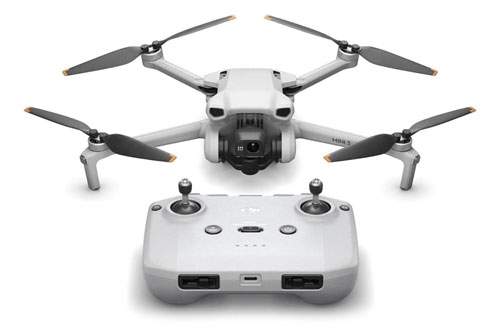 |
|---|---|---|
| Price (Standard Package) | See price at Amazon | See price at Amazon |
| Weight | 249g | 249g |
| Dimensions (Folded) | 2.3 x 3.2 x 5.4 inches | 2.4 x 3.5 x 5.7 inches |
| Camera Resolution | 12MP | 12MP |
| Video Resolution | 2.7K at 30fps | 4K at 30fps |
| Gimbal | 3-axis | 3-axis with upward tilt |
| Max Flight Time (Standard Battery) | 31 minutes | 38 minutes |
| Max Flight Time (Extended Battery) | N/A | 51 minutes (exceeds 249g) |
| Obstacle Detection | No | No |
| Vertical Video Mode | No | Yes |
| Upward Gimbal Tilt | No | Yes |
| QuickShots | Yes | Yes |
| ActiveTrack | No | No |
| Hyperlapse | No | No |
| Remote Controller | DJI RC-N1 | DJI RC-N1, DJI RC (optional) |
| Smartphone Required for Remote | Yes | No (if using DJI RC) |
Design and Build
Both the DJI Mini 2 SE and DJI Mini 3 stick to DJI’s signature compact and lightweight design, making them ideal for travel, hiking, or casual flying. Weighing just 249g, both drones fall under the FAA’s registration-free category, which is a big plus if you want to fly without extra paperwork.
While they share a similar foldable design for easy storage, the Mini 3 has a more refined build with a slightly larger body (2.4 x 3.5 x 5.7 inches vs. 2.3 x 3.2 x 5.4 inches on the Mini 2 SE). This difference isn’t huge, but the Mini 3’s improved aerodynamics and gimbal design allow for better camera movement, including an upward tilt and vertical video mode, which the Mini 2 SE lacks.
When it comes to controllers, both drones use DJI’s RC-N1 remote, which requires a smartphone for the live video feed. However, the Mini 3 also supports the DJI RC, a premium option with a built-in screen—great for those who want an all-in-one setup without relying on a phone.
Both models are available as standard packages or Fly More Combos, which include extra batteries, a charging hub, and a carrying case. If you plan on extended flying sessions, the Fly More Combo is worth considering for either drone.
Camera Performance
When it comes to capturing stunning aerial shots, both the DJI Mini 2 SE and DJI Mini 3 deliver solid performance—but the Mini 3 takes things up a notch.
The Mini 2 SE records at 2.7K resolution (30fps), which is perfectly fine for casual use and social media uploads. It also shoots 12MP stills and supports both JPG and RAW formats, giving you some flexibility in post-processing. However, it’s limited to a standard dynamic range (SDR) color profile, which means shadows and highlights might not pop as much in high-contrast scenes.
The Mini 3, on the other hand, offers a 4K30 video resolution with a brighter f/1.7 lens, making it a better choice for capturing crisp, detailed footage—especially in lower-light conditions. It also supports HDR-like dynamic range, which helps preserve more detail in highlights and shadows for a more cinematic look. One of its standout features is vertical video mode, which automatically rotates the camera for 9:16 portrait shots, making it a great option for content creators who post to Instagram Reels or TikTok.
While both drones offer smooth, stabilized footage thanks to their 3-axis gimbals, the Mini 3’s upgraded camera system makes it the better pick for those who want higher resolution, better lighting performance, and more creative flexibility. If you’re simply looking for a capable drone for casual flying and basic footage, the Mini 2 SE still gets the job done at a more budget-friendly price.
Flight Performance and Battery Life
Both the DJI Mini 2 SE and DJI Mini 3 offer impressive flight times for their size, but the Mini 3 has a clear advantage when it comes to staying in the air longer.
The Mini 2 SE provides around 30 minutes of flight time per charge, which is on par with other drones in its class. It uses DJI’s standard Intelligent Flight Battery, which keeps it light and FAA-registration-free. For casual users, this is plenty of time to capture scenic footage or practice flying without feeling rushed.
The Mini 3, however, extends that flight time to 38 minutes with its standard battery. If you opt for the Intelligent Flight Battery Plus, you can push that up to 51 minutes—but there’s a catch. This larger battery increases the drone’s weight beyond 249g, which means it will no longer qualify for registration-free flying in some regions.
When it comes to stability and handling, both drones perform well, even in moderate wind conditions. They can handle wind speeds up to 24 mph, but the Mini 3’s more aerodynamic design and improved flight efficiency give it a slight edge in windy conditions. Both models include DJI’s O2 transmission system, ensuring a strong, low-latency connection for real-time video feeds and precise control.
If battery life is a top priority, the Mini 3 is the better pick, especially with its extended battery option. But if you’re okay with slightly shorter flights and want to keep things lightweight and simple, the Mini 2 SE still delivers solid performance for its price.
Features and Smart Functions
When it comes to intelligent flight features, both the DJI Mini 2 SE and DJI Mini 3 keep things fairly simple, but the Mini 3 offers a few extra tools that make flying and filming more creative.
Neither drone includes obstacle detection, which means you’ll need to be extra careful when navigating around trees, buildings, or tight spaces. If you’re looking for full collision avoidance, you’ll have to step up to the Mini 3 Pro or higher-end models.
However, the Mini 3 does introduce some upgrades, including upward gimbal tilt and a dedicated vertical video mode. These features allow for more dynamic camera angles and make the Mini 3 a better choice for social media content creators who want to shoot in 9:16 format for Instagram Reels, TikTok, and YouTube Shorts.
Both drones use the DJI Fly app, which provides a clean, user-friendly interface for controlling your drone. The app gives you access to features like QuickShots, which automate cinematic camera movements such as Dronie, Helix, Rocket, and Circle. These pre-programmed flight patterns make it easy to capture professional-looking shots without advanced piloting skills. However, the Mini 2 SE lacks Hyperlapse and ActiveTrack, meaning you won’t be able to record moving time-lapses or automatically track a subject while flying.
Overall, if you’re looking for basic but reliable flight controls, the Mini 2 SE gets the job done. But if you want a bit more flexibility for creative shots, the Mini 3’s added gimbal movement and vertical video mode make it a more appealing option.
Remote Controllers and User Experience
A drone is only as good as its controls, and both the DJI Mini 2 SE and DJI Mini 3 offer a smooth and responsive flying experience. However, the Mini 3 provides more flexibility when it comes to remote options.
Both drones come standard with the DJI RC-N1 remote, which requires you to connect a smartphone to see the live video feed. The RC-N1 is simple, lightweight, and easy to use, with dedicated controls for flight modes, camera angles, and return-to-home functions. It’s a solid choice for beginners, but having to attach your phone can feel like an extra step—especially if you need to remove your phone case to plug it in.
Where the Mini 3 stands out is its support for the DJI RC, an upgraded remote with a built-in 5.5-inch touchscreen. This means you don’t need to rely on your phone, making setup faster and more convenient. The RC’s bright display is also a bonus for flying in direct sunlight, where smartphone screens can sometimes be hard to see. The only trade-off? The DJI RC adds to the overall cost, so it’s an extra investment for those who want a more streamlined flying experience.
If you’re looking for a simple, budget-friendly setup, the RC-N1 works great for both drones. But if you prefer an all-in-one controller with a built-in screen, the Mini 3 gives you that option—which can make flying more seamless and enjoyable.
Price and Value
When choosing between the DJI Mini 2 SE and DJI Mini 3, price is a major factor. The Mini 2 SE is the more budget-friendly option, typically priced around No products found. for the standard package. It delivers solid performance for casual flyers without breaking the bank, making it an excellent choice for beginners or those who just want a fun, easy-to-use drone.
The Mini 3, on the other hand, starts at around No products found. with the RC-N1 remote. If you want the upgraded DJI RC with a built-in screen, expect to pay even more. While it costs significantly more than the Mini 2 SE, it also offers key upgrades—4K video, better low-light performance, vertical shooting, and longer battery life—which could be worth the investment for content creators or those who want a more capable camera drone.
Both drones are available in Fly More Combos, which add extra batteries, a charging hub, and a carrying case. If you plan to fly often, the Fly More package is worth considering to maximize flight time.
For those on a tight budget, the Mini 2 SE is an unbeatable value, offering high-quality footage and reliable flight at an entry-level price. But if you want more creative flexibility and extended flight time, the Mini 3 justifies its higher cost with features that make it a better long-term investment.
Final Thoughts
Both the DJI Mini 2 SE and DJI Mini 3 are excellent lightweight drones, but the right choice depends on your budget and what you need from a drone.
If you’re looking for an affordable, beginner-friendly option, the Mini 2 SE is hard to beat. It delivers smooth 2.7K video, solid flight stability, and a 30-minute battery life, all at a budget-friendly price. It’s the perfect pick for casual flyers or first-time drone users who want a simple, hassle-free experience.
However, if you want better video quality, longer flight times, and more creative flexibility, the Mini 3 is worth the extra investment. Its 4K camera with HDR-like dynamic range, vertical shooting mode, and up to 51 minutes of battery life make it a fantastic choice for content creators or anyone who wants more advanced aerial shots.
For those who just want to fly for fun and capture decent footage, the Mini 2 SE offers the best value. But if you’re willing to spend more for higher-quality video and extended features, the Mini 3 is the better long-term investment.
Last update on 2026-06-07 / Affiliate links / Images from Amazon Product Advertising API

Nerko is a writer for Zoopy, and he's been working there since 2019. He loves to ride his motorcycle and bicycle, especially in the summertime! He also enjoys watching science fiction movies, and his favorite movie is Interstellar. Nerko is also a competitive gamer - so if you're looking for a good competition, he's your man!